Why We Don't Use Blanks
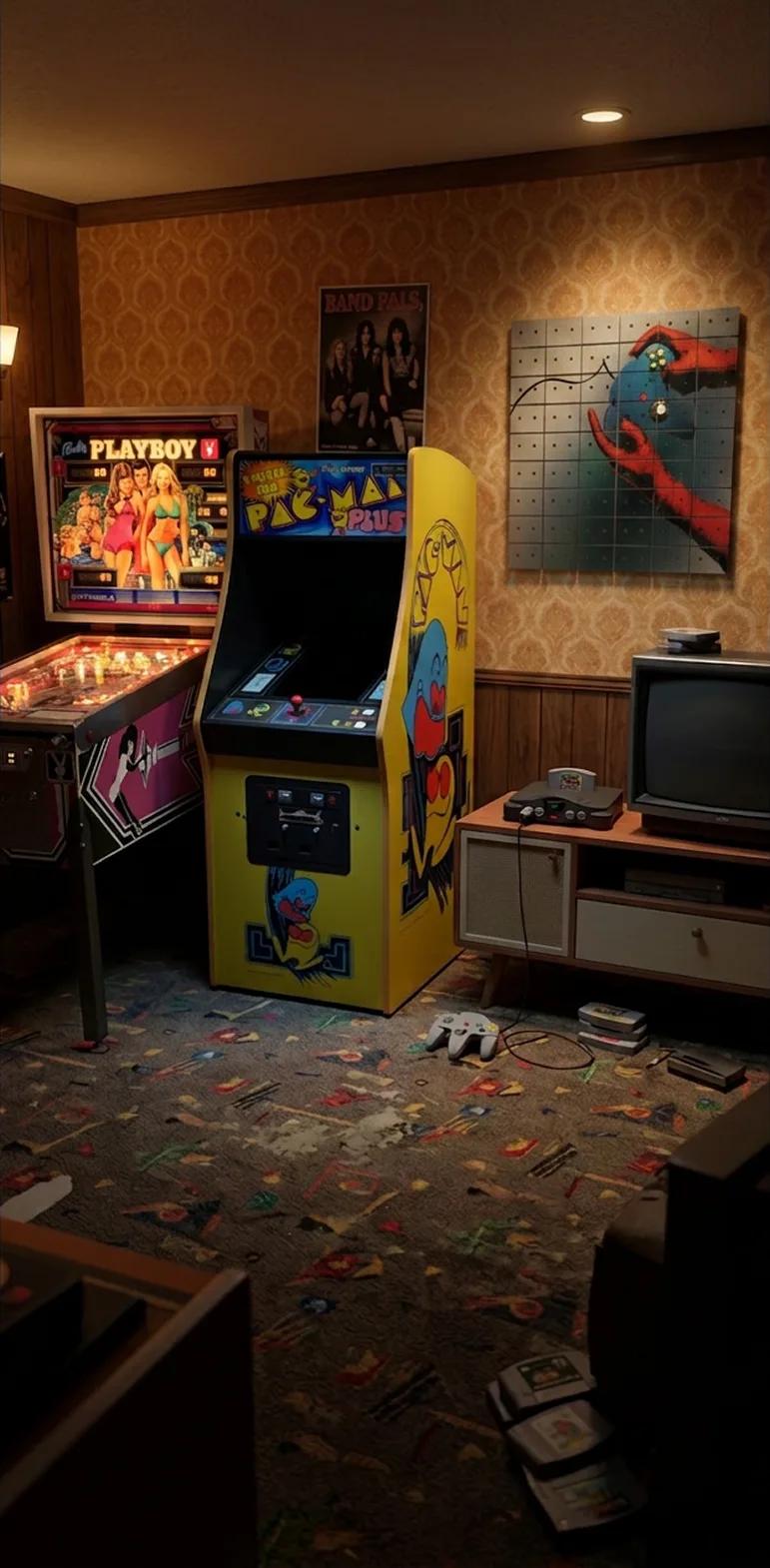
The box was labeled "Office Supplies," which was inaccurate in at least three important ways.
First, it contained twenty-three cassette tapes. Second, none of them appeared capable of improving an office. Third, one was labeled "Driving Mix 4, DO NOT ERASE" in handwriting so urgent that I briefly considered contacting the authorities.
There were no paper clips. There was no stapler. There was, however, a recording called "Tuesday Songs," which suggested either admirable organization or a very specific emotional emergency.
This is why we do not use blanks.
The suspicious emptiness of perfection
A new blank cassette would be easier to manage.
The shells would match. The labels would be clean. The surfaces would behave predictably. Rows could be assembled with the calm efficiency of a filing cabinet in a country where filing cabinets receive proper funding.
But a perfectly uniform shell has no history. It has shape, material, and potential, but none of the peculiar evidence that makes an authentic used cassette worth examining.
We source tapes from flea markets, estate sales, record shops, thrift stores, attics, old collections, basements, and storage finds. They arrive played, labeled, carried, forgotten, and found again.
Some contain handwritten song lists. Some have faded stickers. Some bear the scars of glove boxes, bedroom floors, and storage systems based entirely on optimism.
The surface tells you that the object existed before it became art.
The doctrine of previous usefulness
It is generally accepted, among those who accept such things, that an object becomes more interesting after it has been useful.
A hammer with a worn handle implies work. A cookbook with flour in the binding implies ambition, if not success. A cassette labeled "For Karen" implies a story whose surviving documentation is both insufficient and irresistible.
The tape once carried sound. It may have held a mixtape, a radio recording, an album, a lecture, a voice memo, or several minutes of somebody realizing the microphone was on.
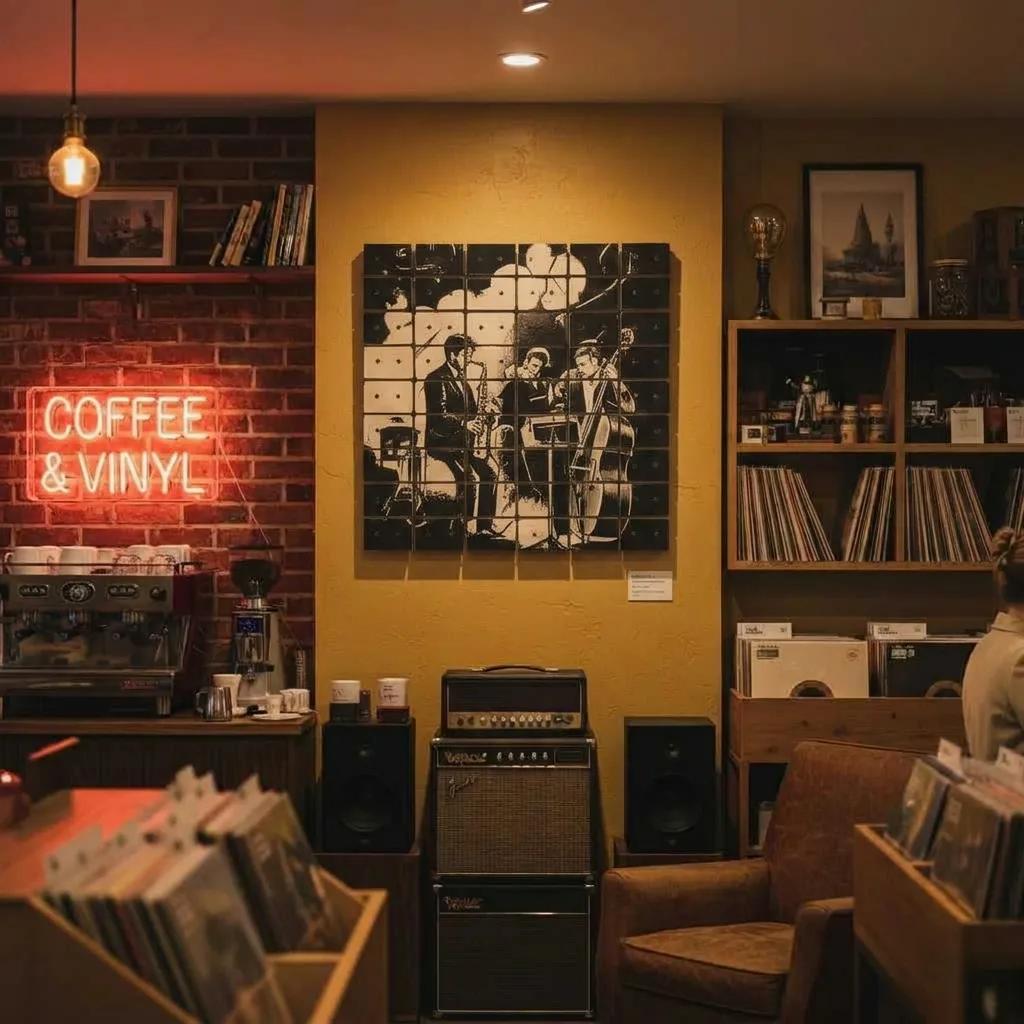
Now the cassette carries a fragment of an image.
This is not merely reuse in the practical sense. It is a transfer of purpose. The object keeps its evidence while taking on a new visual job.
The Department of Second Careers for Small Plastic Objects has advocated this policy since 1971.(1) Its waiting room is furnished entirely with repurposed answering machines.
Cleaning without rewriting the witness
Every cassette is cleaned and inspected by hand.
Whenever possible, we preserve original labels and markings. Other tapes are carefully prepared to carry more of the transferred artwork. The goal is balance: enough preparation for the larger image to hold together, enough restraint for the vintage material to remain recognizable.
We are not trying to make old tapes look newly manufactured. That would be like restoring an old wooden table until it resembled a laminated conference desk. Technically smooth. Spiritually under investigation.
The scuffs, shell colors, labels, windows, screws, and slight changes in tone are design materials.
A pale label may interrupt a dark field. A clear shell may catch more light. A handwritten title may sit beneath a bright area of color and create a second, quieter composition. These events cannot be ordered from a catalog. They occur because the tapes are specific.
Sourcing is part of the studio practice
Finding vintage cassettes in useful condition takes time.
A box may contain wonderful labels and several damaged shells. Another may offer a strong mix of clear and dark tapes but require hours of cleaning. We sort for condition, character, and the way the group can work together across a larger image.
This ongoing search is one reason cassette count affects size, production, and pricing. Each piece is made to order. Current listings show the formats, dimensions, cassette counts, and prices available for each design.
Typical production is two to three weeks before shipping. Timing can vary with order volume, artwork preparation, and the search for the right tapes.
A factory can request identical material on demand. A flea market responds primarily to weather and the private decisions of people named Dale.
Variation is not a defect
Because the tapes are vintage, the finished piece will not match a digital preview tape for tape.
The composition, palette, crop, and direction remain consistent. The exact shells, labels, handwriting, scuffs, spacing, and small alignment details vary. No two mosaics will be identical.
We say this plainly because it is central to the work.
Uniformity would make production easier, but it would flatten the experience. From across the room, a Mixtape Mosaic resolves into a single image. Up close, it returns to individual tapes with separate histories. That second view depends on variation.
Only a fool, or an accredited Replica Shell Auditor, would demand that the archive behave like wallpaper.
Tuesday Songs
I never listened to the tape labeled "Tuesday Songs." Some mysteries improve under preservation.
Its handwriting remained enough. Somebody had selected those songs, arranged them, labeled the cassette, and placed it in a box that later became "Office Supplies" through a bureaucratic process now lost to history.
The label was wrong. The contents were right.
In the end, what I learned is this: blankness is tidy, but evidence is better. When an old box promises paper clips and delivers a mixtape, trust the box only about its size.
Notes of dubious authority
- Department of Second Careers for Small Plastic Objects, Circular 8B, "From Storage Burden to Cultural Asset," 1971.
- Dale has not been reached for comment, but his folding table remains open Saturdays until rain.